
Partnering for Change: Building Disability Leadership through Advisory Fellowships
News-iag | March 2, 2026
Partnering for change
At CBM Global’s Inclusion Advisory Group (IAG), partnership with the Disability Movement is not optional, it is fundamental to our advisory approach. Our mission is to help governments, INGOs, multilaterals, and contractors turn inclusion commitments into action. We believe lasting change only happens when people with disabilities and their representative organisations – Organisations of Persons with Disabilities (OPDs) – shape the decisions that inform their lives.
Grounded in a rights-based approach, we work in partnership with OPDs who bring the lived experience and contextual knowledge needed to shape responsive and impactful inclusive policies and programmes. Their influence will continue long after our advisory role ends, embedding change where it matters most.
Our approach: ‘On tap, not on top’
We work with the Disability Movement to understand each advisory opportunity and ensure OPDs choose the role that fits their priorities and capacity. Sometimes that means providing technical advice to development and humanitarian actors. Other times, it may mean leading capacity development, participating in governance, or conducting accessibility audits.
When OPDs want to take on more advisory work, we invest in building their capacity to do so. We also create spaces for dialogue between OPDs and development actors, and advocate for budgets, accessibility, and reasonable accommodations to enable their full and meaningful engagement.
Above all, we consider partnership as a journey of mutual learning. We seek feedback, share lessons, and support emerging leaders, ensuring contributions are recognised and remunerated. Authentic partnership takes time and commitment to building trust, but it delivers credibility, quality, and, ultimately, rights realisation. For more information, see our Statement of Approach.
ACE Fellowship: Turning principles into practice
The Advisory Capacity for Engagement (ACE) Fellowship is one example of this approach in action. Developed in response to OPDs’ requests for capacity building in advisory roles, the approach was piloted in Southeast Asia and is now being adapted for other settings. ACE is designed to equip leaders in the Disability Movement with the skills, networks, and confidence to deliver high-quality, rights-based advisory services in development and humanitarian contexts.
Unlike short-term training, ACE is a year-long immersive programme, delivered in collaboration with the OPD partners, including the International Disability Alliance for our initial pilot project. Fellows work on real advisory assignments, are mentored by senior advisors, and connect local realities to global frameworks such as the Convention on the Rights of Persons with Disabilities (CRPD) and the Sustainable Development Goals.
It is practical, collaborative, and, for many, it is transformative, as noted by one of the original fellows from our Asia pilot project.
“ACE is not only training – it gives practical experience, mentorship, and real opportunities to advise. This is what makes the difference between being an advocate and being an advisor who can sit at the table with government and development partners.” (ACE Fellow, 2025)


From Fellows to changemakers
One year on from that pilot, the impact of the ACE model is clear. Every Fellow reported greater confidence in identifying advisory opportunities. All developed skills to provide advice grounded in human rights frameworks, and many have gone on to influence policy and practice at national and regional levels.
Take Ida Putri, an ACE Fellow from Indonesia. Ida began as a journalist covering disability issues. Today, she advises government ministries, mentors young women with disabilities, and shapes national policy. Her work with the Government of Indonesia has helped audit public services and develop new policies with a stronger disability focus than ever before.
Aikeo Koomanivong from Lao PDR shares a similar story:
“Since the fellowship, my skills and confidence have grown a lot. I now feel more confident to give recommendations based on CRPD and the SDGs, and to speak at CSO forums about disability-inclusive development. I also share ideas more actively with OPDs, and this trust led to me being elected as the Chair of the OPDs network in Lao PDR.”
From influencing national networks and shaping government policy, to supporting each other through producing resources, ACE Fellows are not just participating, they are leading. This is the power of strategic investment in Disability Movement capacity.
Wider reach, greater impact: Scaling the Fellowship model
Drawing on feedback from Fellows and mainstream partners, we are now localising this model in new initiatives that meet the growing demand for disability inclusion advice and localised expertise.
In Indonesia, our Promoting Inclusion, Making use of Advisory (PRIMA) project builds on ACE’s training approach, starting at a more foundational level with a larger group of participants. Fifteen mid-career OPD members will receive intensive training on CRPD and advisory skills, complemented by thematic webinars and on-the-job learning. They will join a national Disability Inclusion Community of Practice and contribute to a new advisor database – a resource for organisations seeking inclusion expertise.
In Papua New Guinea (PNG), we are partnering with Australia Awards PNG and PNGADP to deliver a multistage, ACE style professional development programme tailored to the PNG context. By investing in alumni with disabilities, we are creating a pipeline of skilled advisors who can influence development and humanitarian systems in PNG and beyond – a pivotal need aligned with PNGADP’s new strategic plan, and the support needed to implement the new PNG Disability Services Bill (2025).
Driving systemic change through partnership
Authentic partnership is not just a principle: It is a pathway to systemic change. Advisory work led by the Disability Movement ensures that inclusion is grounded in lived experience and rights, not tokenism. When OPDs lead, policies and programmes become more relevant, sustainable, and transformative.
“Programmes like ACE are important because they build the next generation of disability leaders. Many persons with disabilities already have strong voices, but they need the skills, confidence, and networks to influence policies and programmes at national, regional, and international levels.” (ACE Fellow, 2025)
These initiatives remind us that disability equity and inclusion are not add-ons, but rights. Disability Movement participation and leadership are key to making it happen. As we move forward with our fellowship initiatives, we seek to learn more about the most effective ways to contribute to systemic change through amplifying the capacity of the Disability Movement, adapting our approach to suit needs and contexts. This includes understanding more about how investing in individuals at different stages of their careers can contribute to meeting wider Disability Movement objectives for growth and capacity development. By investing in leadership and amplifying the voices of the Disability Movement, we can transform systems and create a future where equity is a lived reality, not an aspiration.
https://cbm-global.org/news-iag/disability-leadership-advisory-fellowships
Other IAG Projects
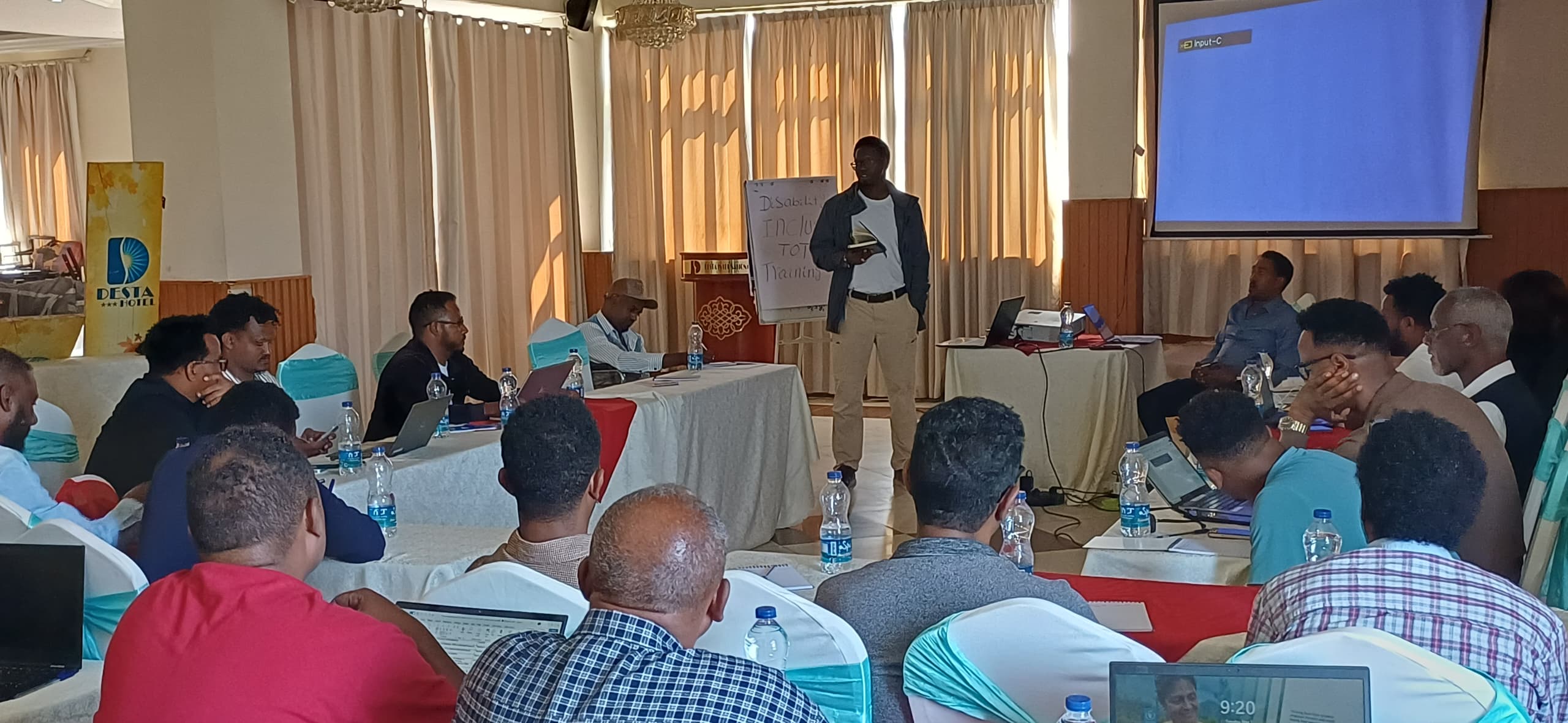
WFP and IAG extend partnership to strengthen inclusive programming
CBM Global’s Inclusion Advisory Group (IAG) and the World...
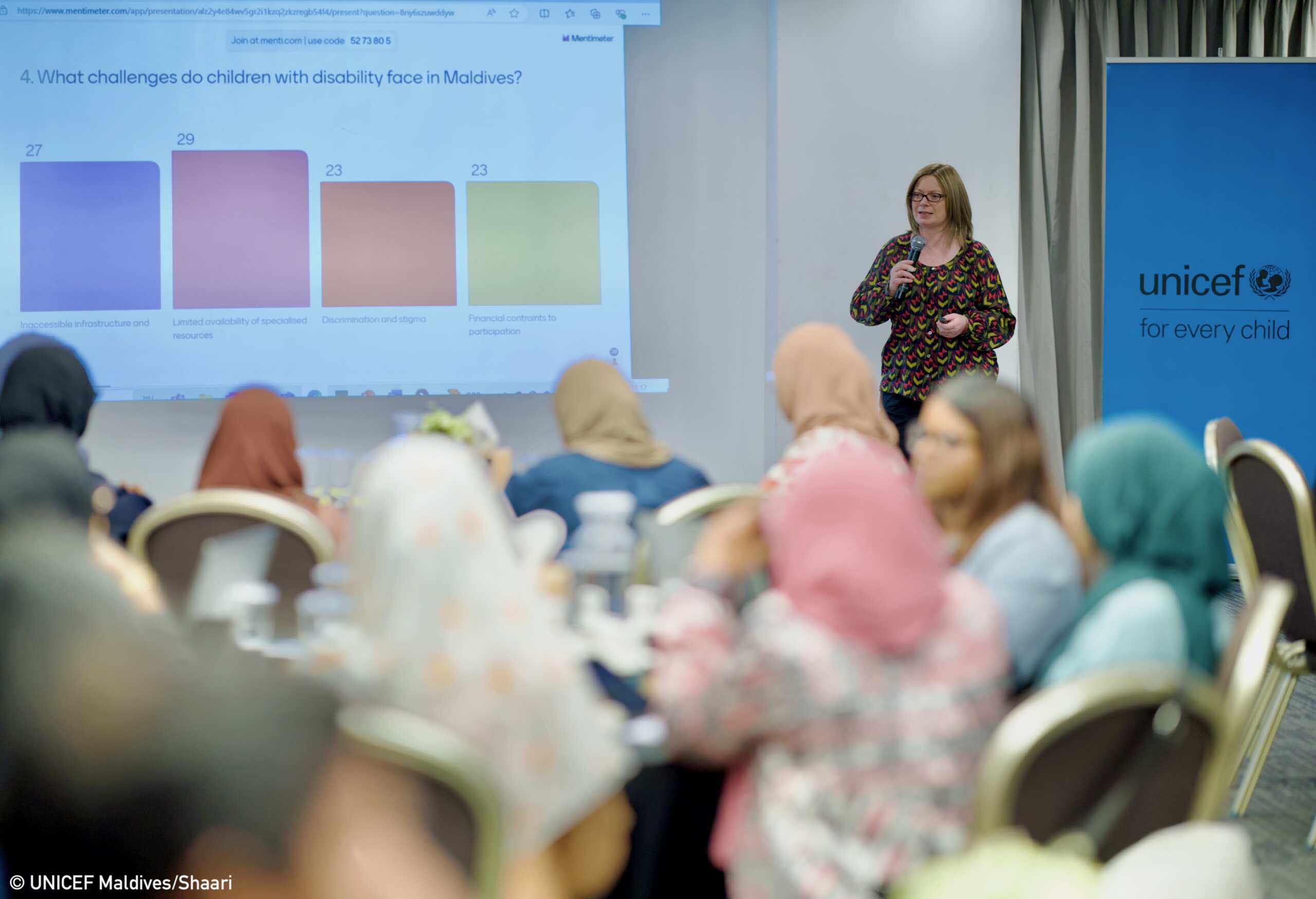
Partnering with UNICEF to Strengthen Disability Inclusion at the Frontline of Service Delivery
Since the beginning of our work with UNICEF Headquarters...
Strengthening disability inclusion with CAFOD
Reflections and learning from the partnership Over the last two years, we have partnered with CAFOD to strengthen disability inclusion...