
Disability movement
These resources are designed predominantly to support the disability movement to influence mainstream partners through advisory work. In addition to guidance and training packages, it includes lessons from our partnerships with the disability for advisory work.

Humanitarian Action Capability Statement
Disability inclusive preparedness, response inclusive preparedness, response and recovery. We support humanitarian actors to embed disability inclusion across the humanitarian cycle—cycle, helping ensure equitable access to assistance, meaningful participation, and accountability to affected people with disabilities.

Disaster Risk Reduction Capability Statement
Inclusive risk analysis, early warning and recovery. We work with DRR actors and OPDs to strengthen disability inclusion in risk governance, early warning systems, preparedness, anticipatory action and recovery—aligned with the Sendai Framework.
General Capability Statement
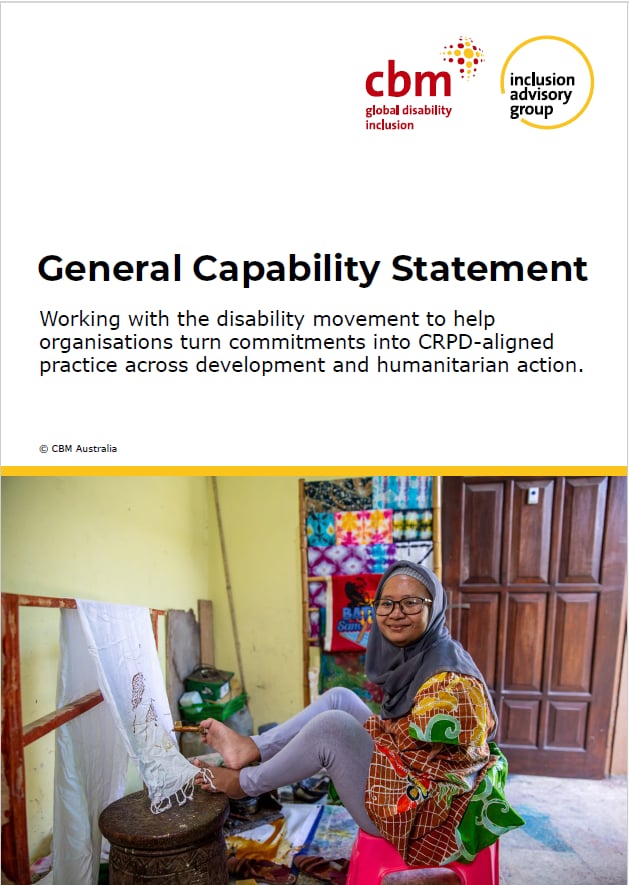
Our General Capability Statement sets out IAG’s core advisory offer and how we work across development and humanitarian action. We work across humanitarian action, disaster risk reduction, climate action, health, education, social protection and livelihoods—supporting organisations to meet compliance requirements, improve accountability, and deliver inclusive outcomes at scale.
Climate Action Capability Statement
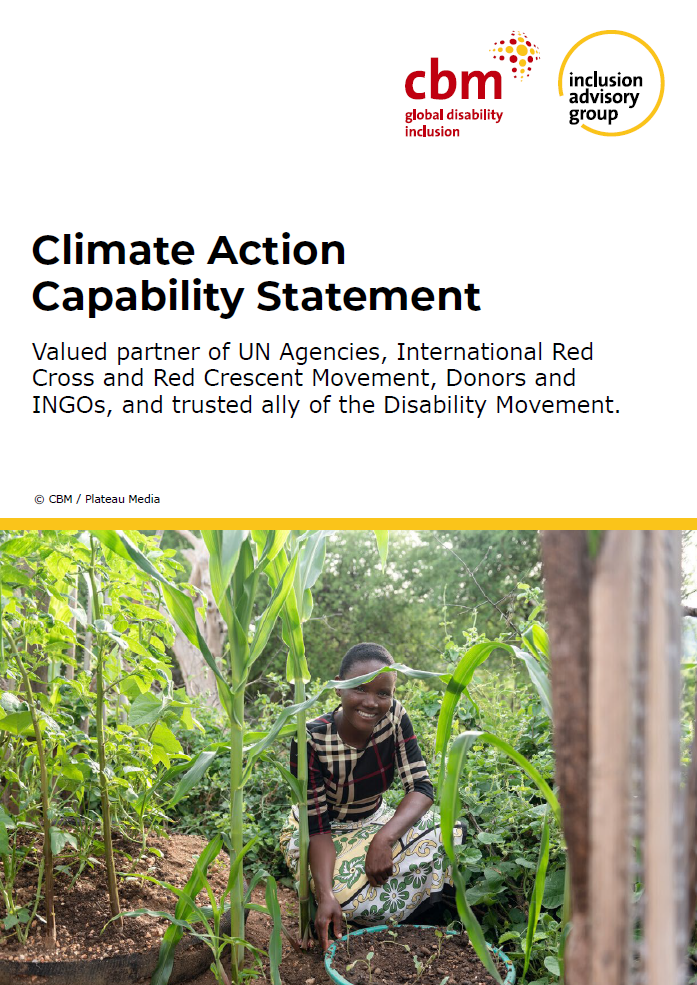
Disability inclusive climate governance, finance and resilience. We partner with climate actors and the disability movement to embed disability inclusion across climate policy, finance, adaptation, mitigation and locally led resilience.
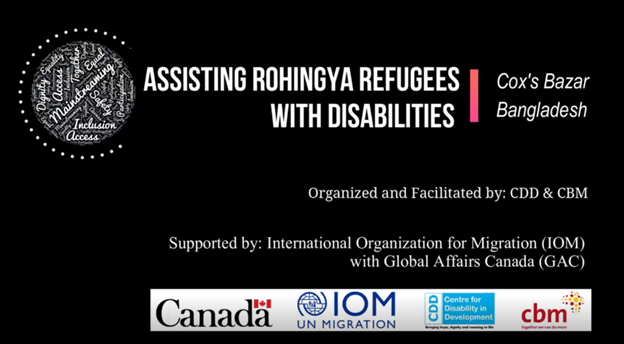 Read more on “Stepping outside the classroom”: Capacity Development with IOM Rohingya Response Staff
“Stepping outside the classroom”: Capacity Development with IOM Rohingya Response Staff
This video documents the process taken in developing the training curriculum, demonstrates the main training components and shares reflections of those involved including people with disabilities.
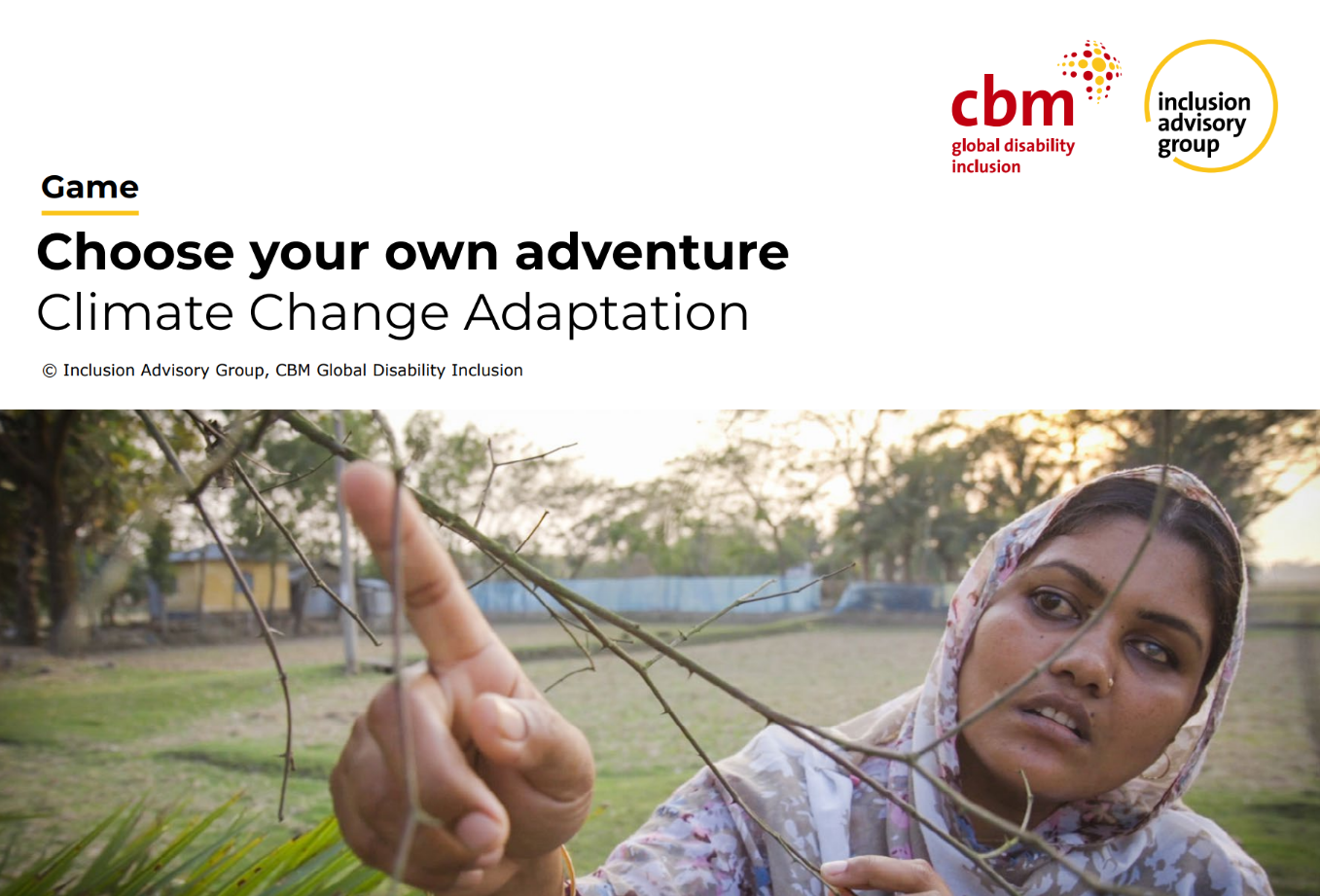
Choose your own adventure Climate Change Adaptation
An interactive game to encourage participants to think about opportunities for DI, and the potential consequences of missing DI opportunities, across the project cycle, for CCA-specific projects. CYOA games are interactive activities designed to encourage participants to think about opportunities for DI, and the potential consequences of missing DI opportunities, across the project cycle. Participants are presented with a series of scenarios and options for decision-making. As they go through the game, they choose an approach to take at each stage and are presented with the outcomes of their decisions. Participants should be encouraged to work through the game several times, making different decisions, to see the end impacts on disability inclusion success.
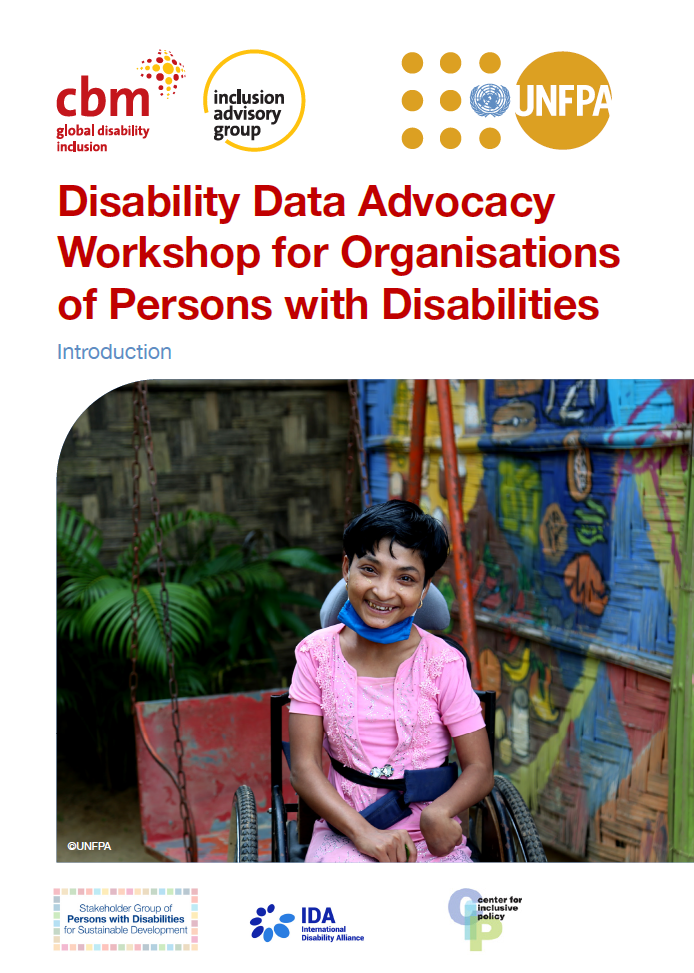
Disability Data Advocacy Workshop for OPDs
These workshop materials were developed with the support of UNFPA Asia and the Pacific, in collaboration with the Stakeholder Group of Persons with Disabilities, the International Disability Alliance, the Centre for Inclusive Policy and national and regional organizations of persons with disabilities, including the ASEAN Disability Forum and Pacific Disability Forum. Drawing in part on the Disability Data Advocacy Toolkit, workshop materials have been developed to introduce the basic concepts and skills on disability data to OPDs and their members and to support applying these in the local context.
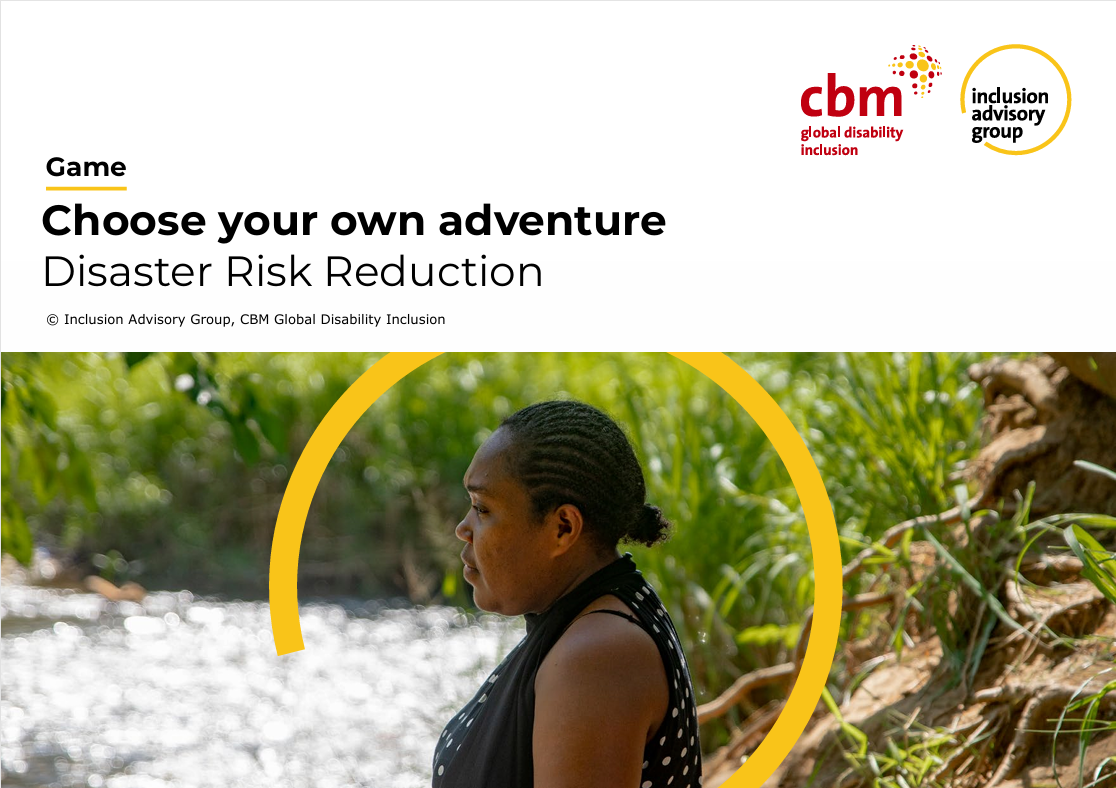
Choose your own adventure Disaster Risk Reduction (Pacific)
CYOA games are interactive activities designed to encourage participants to think about opportunities for DI, and the potential consequences of missing DI opportunities, across the project cycle. Participants are presented with a series of scenarios and options for decision-making. As they go through the game, they choose an approach to take at each stage and are presented with the outcomes of their decisions. Participants should be encouraged to work through the game several times, making different decisions, to see the end impacts on disability inclusion success. An interactive game to encourage participants to think about opportunities for DI, and the potential consequences of missing DI opportunities, across the project cycle, for DRR-specific projects.
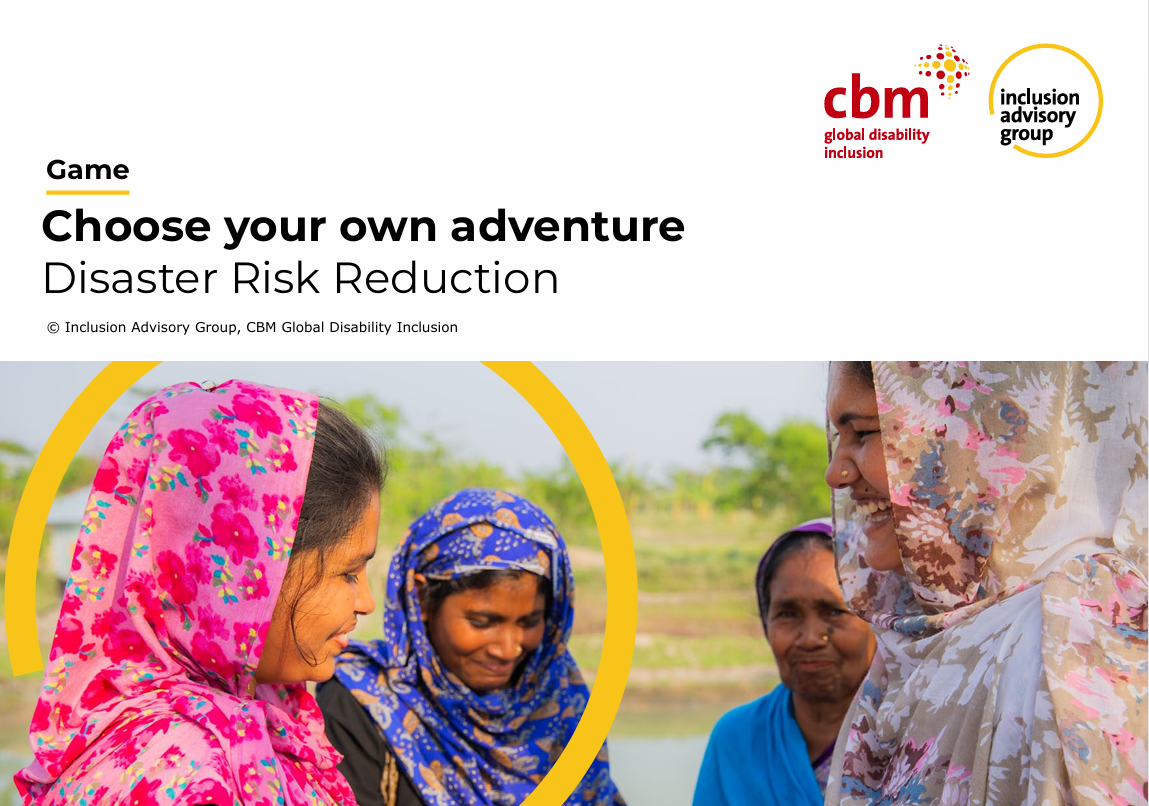
Choose your own adventure Disaster Risk Reduction (Asia)
CYOA games are interactive activities designed to encourage participants to think about opportunities for DI, and the potential consequences of missing DI opportunities, across the project cycle. Participants are presented with a series of scenarios and options for decision-making. As they go through the game, they choose an approach to take at each stage and are presented with the outcomes of their decisions. Participants should be encouraged to work through the game several times, making different decisions, to see the end impacts on disability inclusion success. An interactive game to encourage participants to think about opportunities for DI, and the potential consequences of missing DI opportunities, across the project cycle, for DRR-specific projects.
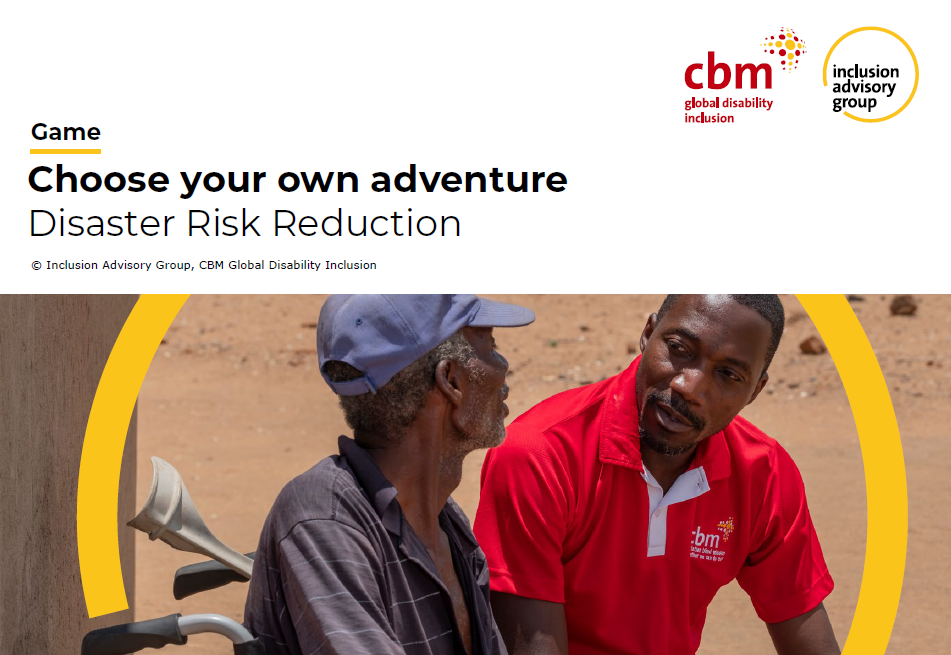
Choose your own adventure Disaster Risk Reduction (Africa)
CYOA games are interactive activities designed to encourage participants to think about opportunities for DI, and the potential consequences of missing DI opportunities, across the project cycle. Participants are presented with a series of scenarios and options for decision-making. As they go through the game, they choose an approach to take at each stage and are presented with the outcomes of their decisions. Participants should be encouraged to work through the game several times, making different decisions, to see the end impacts on disability inclusion success. An interactive game to encourage participants to think about opportunities for DI, and the potential consequences of missing DI opportunities, across the project cycle, for DRR-specific projects.
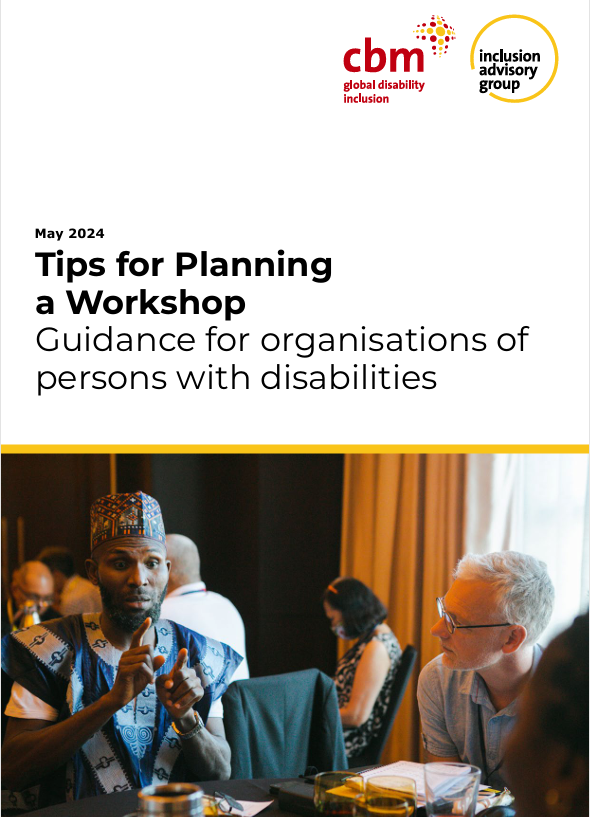
Tips for Planning a Workshop Guidance for organisations of persons with disabilities
This guidance note addresses some common questions that OPDs ask about facilitating an advisory workshop. It includes guidance on planning and design, implementation, inclusive facilitation, and feedback mechanisms and provides some tools and templates for OPDs to adapt and use.