
Reflecting on 2025: A Year of Shared Impact, Partnership, and Hope
Written by David Bainbridge, Executive Director of CBM Global Disability Inclusion, this blog reflects on the Federation’s shared impact in 2025. David looks back on a year shaped by disruption, partnership and hope, celebrating what has been achieved together with partners, colleagues, supporters and people with disabilities around the world. At its heart, the blog is a message of gratitude and a call to keep working together for lasting inclusion.
Pulling together the numbers that tell the story of our achievements as a Federation has been particularly poignant for me this year, as we reflect on our work in 2025.
Over 2.4 million people were reached across 49 countries, working through 116 partner organisations and our influence extends further still through our Inclusion Advisory Group, partnering with the disability movement to support organisations, institutions and systems to realise the rights of people with disabilities.
These are powerful numbers. But they sit against a backdrop of profound disruption across international cooperation. We have seen shrinking government aid budgets, a narrowing civic space, and growing pushback against diversity and inclusion – putting hard-won gains on disability rights at real risk.
Impact through partnership
“These achievements are not the work of any one organisation.”
In this context, I want to celebrate the partnerships that defined our work in 2025, and to express my deep gratitude to the individual supporters and donors of our Federation Members worldwide, for all that we have been able to achieve together.
We work in partnership with a wide range of actors: medical service providers, government departments, community-based and faith-based organisations, academic institutions, regional and international networks and national and international NGOs, alongside Organisations of Persons with Disabilities (OPDs).
One partner conversation has particularly stayed with me this year, when reflecting together with Bonface Massah and colleagues from the Africa Albinism Network during the Global Disability Summit. It was, on the one hand, a stark reminder of the urgency of their advocacy and collective action in advancing human rights for persons with albinism across Africa and globally. At the same time, it was an inspiring example of what solidarity looks like in practice, and the strength that comes through genuine partnership.
At the heart of this is a simple but powerful principle: recognising people with disabilities and their representative organisations as rights-holders, leaders and decision-makers. Our impact as a Federation is measured not only in our reach, but in the quality of our relationships—amplifying voices, standing in solidarity, and working alongside partners to shift power and support them as key drivers of change.
Our 2025 achievements are not the work of any one organisation—they are truly shared. What a privilege it is to work in partnership in this way.
Promoting health, restoring sight and supporting independence
“Our work on Neglected Tropical Diseases reached a major milestone.”
A major part of our work in 2025 focused on health and wellbeing – through prevention and treatment, awareness raising and access to information.
Over 18 million people were reached through health promotion activities, helping ensure that people have the knowledge, services and support they need to make informed decisions about their health. More than 1.76 million people received medical screening, and over 126,600 assistive devices were provided.
Our work strengthened health systems—promoting holistic, person-centred care and equitable access to health services for people with disabilities.
2025 was also an important year in finalising our Mental Health and Psychosocial Disability Framework, with its first and foundational priority being to scale up our work in partnership with OPDs and amplify the voices of people with psychosocial disabilities.
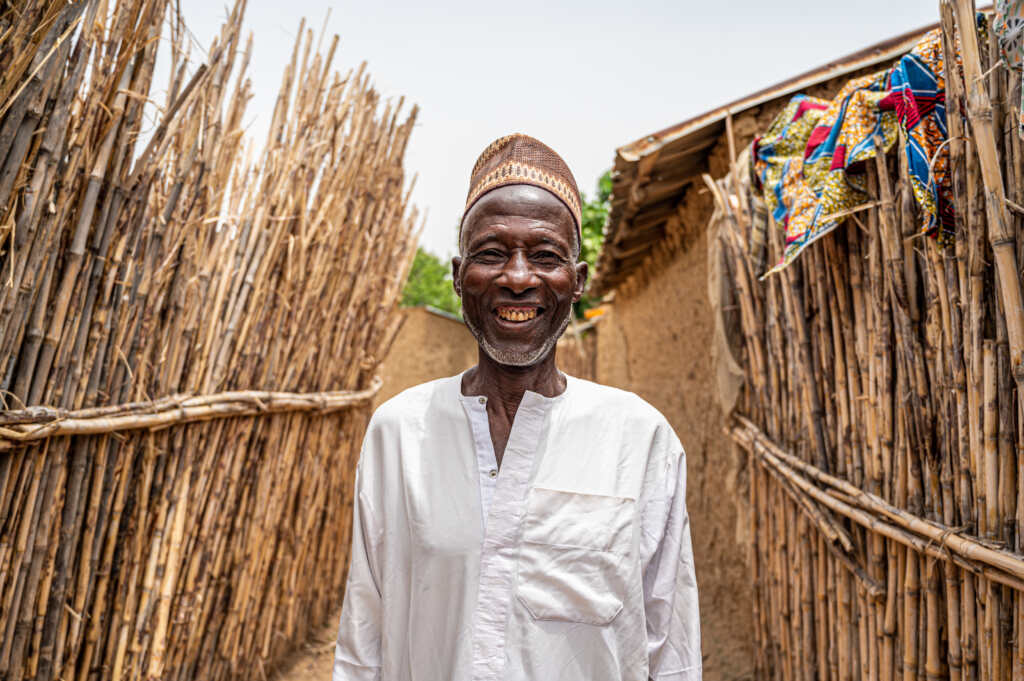
Our work on Neglected Tropical Diseases reached a major milestone, with 3.2 million people no longer at risk of river blindness in Yobe and Jigawa states in Nigeria.
Having supported elimination efforts in these areas for nearly three decades, this achievement reflects sustained partnership and commitment. The disease has had devastating impacts—not only on individuals, but on entire communities—reinforcing cycles of poverty and exclusion.
Opening pathways to opportunity
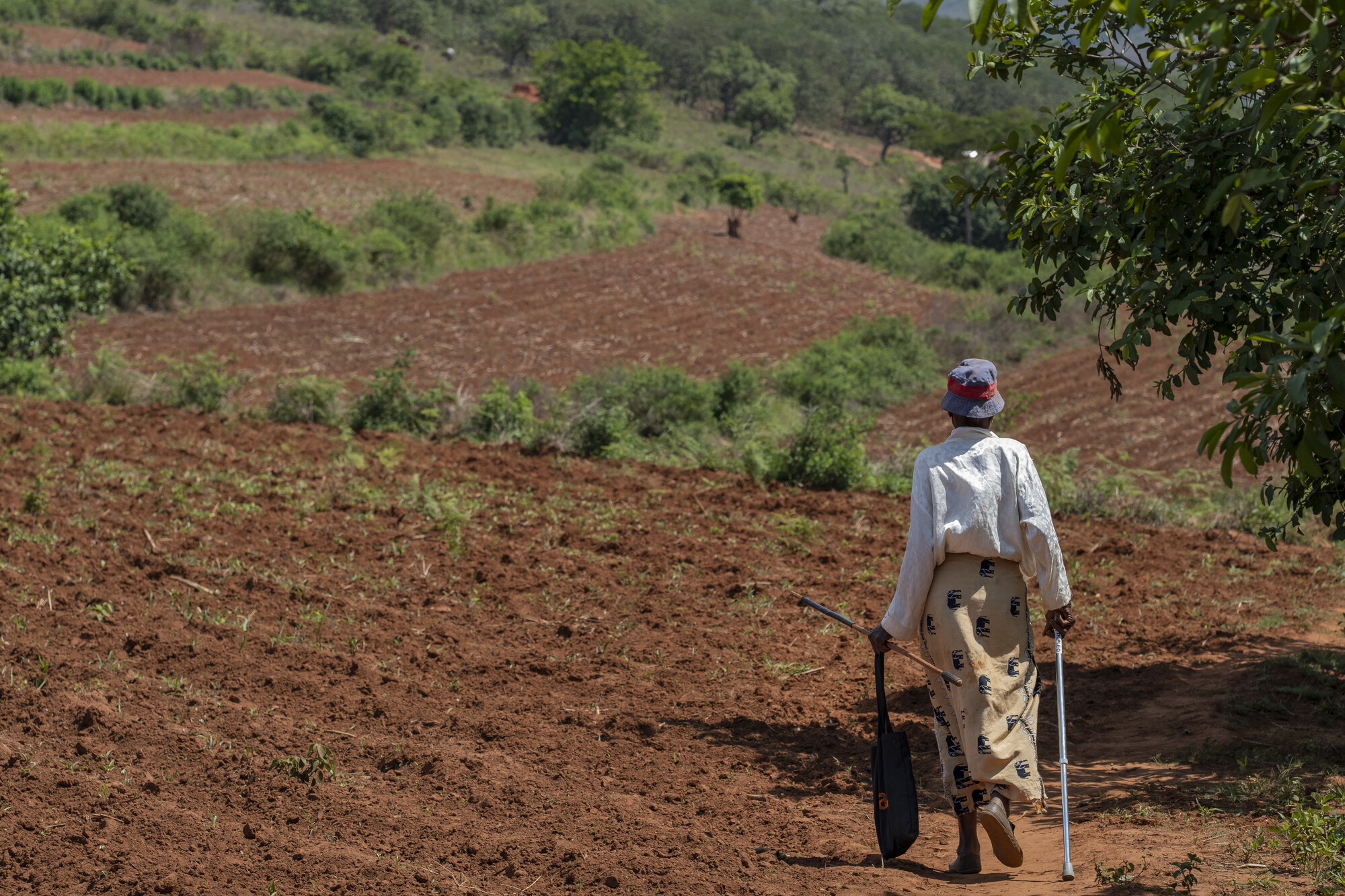
Over 64,100 people were supported to earn a living, access financial services or benefit from social protection systems – important steps towards breaking the cycle of poverty and exclusion, and building inclusive societies where opportunities are accessible to all.
Strengthening rights, voice and participation
Lasting change happens when people can claim their rights and shape the decisions that affect their lives.
In 2025, we scaled up our work on peer support and disability rights training, with over 40,100 people engaged through peer support groups and more than 67,000 people trained on disability rights and participation mechanisms.
This work is enabling people with disabilities to access services, to influence policies and programmes, and to challenge the physical, social and institutional barriers that stand in the way of full inclusion.

Inclusion in crisis
As the climate crisis deepens existing inequalities, often affecting people with disabilities most acutely, our Disaster Risk Management work strengthens community preparedness and resilience, and supports people-centred, disability-inclusive humanitarian responses.
In 2025, over 50,500 people were reached through humanitarian action, including in drought-affected areas of southern Madagascar and northern Kenya, in communities affected by typhoons and flooding in Indonesia and the Philippines, and in ongoing work with refugees in the Rohingya camps in Bangladesh.
At a global level, COP30 was a turning point for disability-inclusive climate advocacy, as we worked with OPD partners and allies to call for disability-inclusive climate justice.
Gratitude and hope
I am deeply grateful to our volunteer Board members for their guidance, to our staff around the world for their commitment and professionalism, and to the many partner organisations with whom we are privileged to work—alongside the remarkable supporters and donors of our Federation Members.
These achievements would not be possible without such deep partnership and collaboration.
Against a backdrop of disruption, our mission is more vital than ever. Lasting inclusion depends on shifting power, strengthening local leadership, and tackling the structural barriers that continue to exclude people with disabilities. Through partnerships grounded in equality, respect and shared leadership—and with continued determination—we can make these changes a reality, together.
Learn more about CBM Global’s impact in 2025
https://cbm-global.org/blog/2025-shared-impact-partnership-hope
Related News

Changing the narrative: How community support is strengthening suicide prevention in Nepal
Today, Sunita is a community volunteer in Lamjung District,...
CBM Global strengthens its commitment to climate and environmental action
Climate and environmental crises are increasing risks for communities...
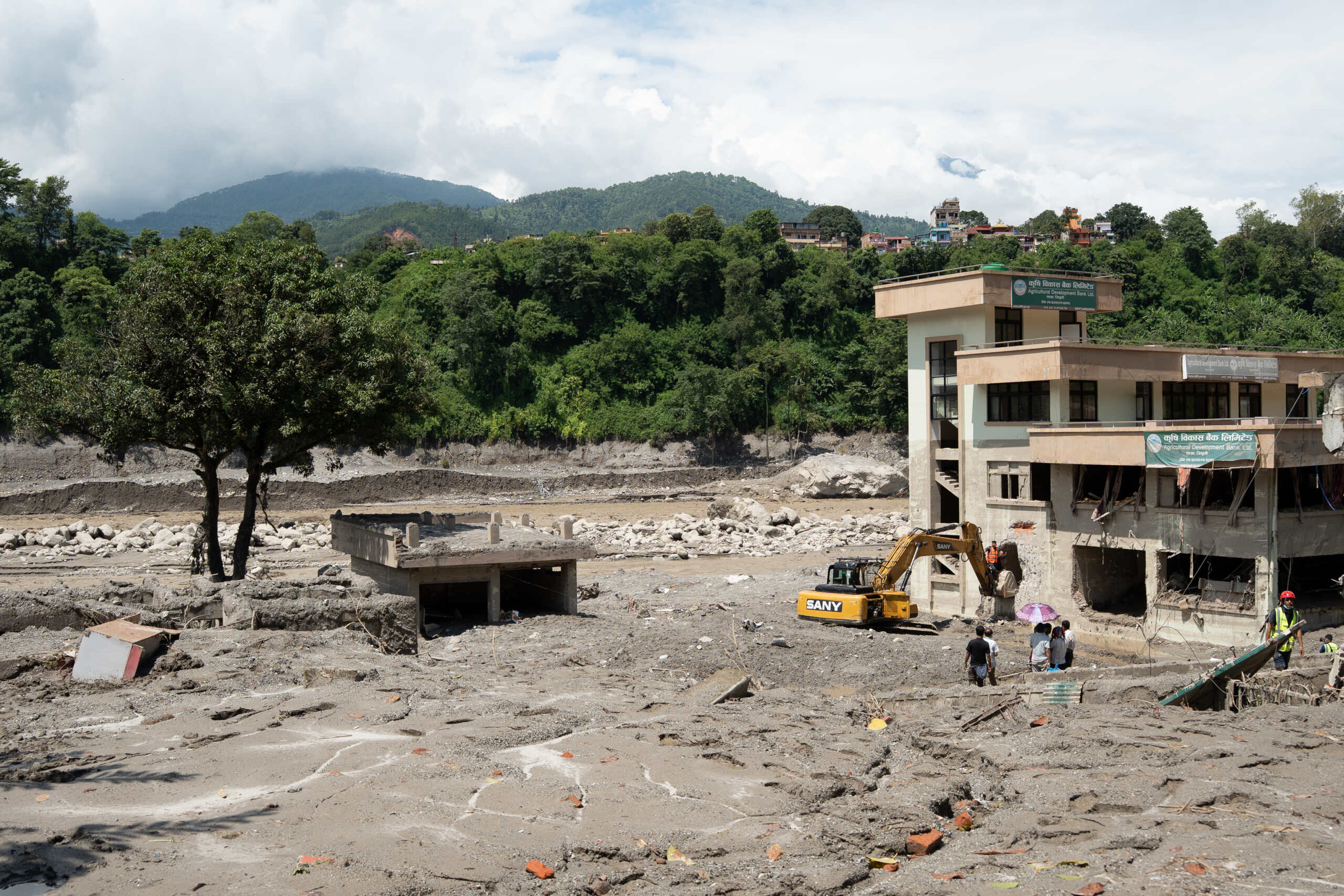
Nepal Flood Emergency Response: Ensuring People with Disabilities Are Not Left Behind
On 26 August 2026, a glacial collapse in Tibet...