
Neglected no more: why NTDs must be treated as a human rights issue
News | July 18, 2026
A disease can be treated. But stigma, exclusion and poverty also need a response.
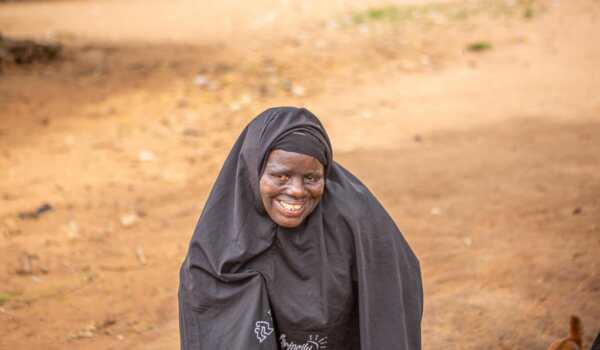
In a community affected by lymphatic filariasis in Nigeria, the impact of illness can begin quietly.
A person may first notice swelling in their leg, recurring pain or infections that make it difficult to walk, work or care for their family. Over time, the effects can reach far beyond the body.
Work becomes harder. Income is lost. A parent may avoid community gatherings because of shame or stigma. A young person may stop going to school. A person who was once active and independent may begin to feel isolated from family, friends and community life.
For many people affected by neglected tropical diseases (NTDs), the disease itself is only part of the story. The wider impact can touch almost every part of life: health, mobility, mental wellbeing, livelihood, family relationships, access to services and participation in the community.
That is why the adoption of the United Nations Human Rights Council’s first resolution dedicated to all neglected tropical diseases is so significant. It marks a historic recognition that NTDs are not only a public health issue. They are also a human rights issue.
Why this resolution matters
For decades, global efforts to tackle NTDs have rightly focused on prevention, treatment and elimination. These remain essential.
But the new resolution reflects something affected communities, health workers, disability advocates and inclusive development organisations have long known: ending NTDs requires more than medicine alone. It requires action on the conditions that allow these diseases to persist and on the exclusion that many people affected by NTDs continue to experience.
NTDs are most common in communities with limited access to healthcare, clean water, sanitation, information and economic opportunities. They are closely linked to poverty and inequality. When they cause pain, swelling, disfigurement, visual impairment or other disabilities, the social consequences can be severe.
A person affected by lymphatic filariasis, river blindness, leprosy, Buruli ulcer or another NTD may need medical treatment. But they may also need self-care support, accessible health services, mental health and psychosocial support, livelihood opportunities, inclusive water, sanitation and hygiene, community education and action to reduce stigma.
A rights-based approach asks whether people are not only being reached, but also being included.
Can people affected by NTDs access the care and support they need? Are services accessible? Are women, children, older people, people with disabilities and people in remote communities being reached? Are the different ways that gender, age, disability, poverty and location shape people’s experiences being recognised? Are people facing stigma or discrimination? Are affected people involved in shaping the policies and programmes that affect them?
These questions matter because the consequences of NTDs do not end at the clinic door.
What a holistic approach looks like in Nigeria
Nigeria continues to carry one of the highest burdens of neglected tropical diseases globally. Their impact is felt not only in people’s health, but also in their dignity, income, family life and community participation.
In areas affected by lymphatic filariasis, river blindness and other NTDs, CBM Global works with partners to support approaches that bring together prevention, treatment and wider support for people already affected. This includes work addressing skin-related NTDs, such as leprosy and Buruli ulcer, alongside lymphatic filariasis through the Mental Health Care and for People Affected by Neglected Tropical Diseases (mhCAP-NTD) project.
This means looking at the whole person, not only the disease.
For people affected by NTDs, treatment may be only one part of recovery. They may also need ongoing disease management, accessible health services, safe water and sanitation, mental health and wellbeing support, livelihood opportunities, and communities that understand their experience rather than exclude them.
As Philip Ode, Programme Manager of CBM Global’s Nigeria, explains:
“Neglected tropical diseases can affect every part of a person’s life – their health, dignity, livelihood, mental wellbeing and participation in the community. Their effects can also differ according to people’s gender, age, disability and other intersecting circumstances. That is why a holistic approach is so important. We must continue to support prevention and treatment, while also addressing stigma, disability inclusion, access to services and the wider barriers faced by people affected by NTDs.”
In practice, this can look different depending on the disease and the community. A person living with the effects of lymphatic filariasis may need treatment and self-care support, alongside access to clean water, practical livelihood support and community acceptance.
A person at risk of river blindness may benefit from mass drug administration, but the wider response also depends on accessible information, trusted local partners and health systems that can continue reaching people over time.
People affected by leprosy, Buruli ulcer and other skin NTDs may need early diagnosis and treatment, wound and self-care support, rehabilitation, mental health and psychosocial support, and action to challenge the stigma and discrimination that can prevent them from participating fully in their communities.
Progress is possible when commitment is sustained
Recent progress in Nigeria shows what long-term partnership can achieve.
In Yobe and Jigawa states, after 30 years of annual ivermectin treatment, river blindness elimination targets have now been reached in all 14 districts. As a result, 3.2 million people are no longer at risk of contracting the disease or losing their sight because of it.
This is a major achievement. It shows the power of sustained public health action, local partnership and community engagement. But it also shows why NTD elimination cannot depend on short-term interventions alone.
Ending NTDs requires long-term investment, strong health systems, inclusive services, reliable treatment programmes, local leadership and continued support for people already affected.
Philip says:
“The progress we have seen in Nigeria shows what is possible when communities, partners, governments and funders stay committed over the long term. But NTD elimination is not only about delivering treatment. It is also about ensuring that people affected by NTDs can access care, overcome stigma, participate in their communities and live with dignity.”
What governments, donors and the global health sector must do next
The new Human Rights Council resolution creates an important opportunity. But recognition must now become action. Governments, donors, multilateral agencies and global health actors should use this moment to look again at how NTD policies and programmes are funded, designed, implemented and measured.
Success must continue to include diseases eliminated, medicines distributed and communities reached. These remain critical. But success must also include whether people affected by NTDs can live with dignity, access services, participate in community life and claim their rights.
This means governments and funders should:
- Invest in integrated NTD programmes that connect prevention and treatment with disability inclusion, mental health and psychosocial support, livelihoods, WASH and stigma reduction.
- Strengthen national health systems so that NTD services are accessible, inclusive and available to communities most often left behind, including groups marginalised through intersecting factors such as gender, age, disability, poverty and location.
- Support local partners and community-led approaches, recognising that trusted local actors are essential to reaching people who may otherwise be excluded.
- Include people affected by NTDs and people with disabilities in policy formulation and in the design, implementation and monitoring of programmes, so that their priorities and lived experience shape the decisions that affect them.
- Measure impact beyond disease elimination, including dignity, participation, access to services, reduced stigma and improved quality of life.
- Sustain funding over the long term, because progress against NTDs is built through years of partnership, trust, treatment, community engagement and health-system strengthening.
Ending NTDs means ending neglect
The Human Rights Council resolution is a milestone for the global NTD movement. It gives governments, donors and the global health sector a clearer mandate to treat NTDs not only as diseases associated with poverty, but also as issues of dignity, equality and rights.
If the world is serious about ending neglected tropical diseases, it must also be serious about ending the neglect, exclusion and discrimination experienced by people affected by them.
Ending NTDs is not only about eliminating disease. It is about restoring dignity, advancing inclusion and ensuring that people affected by NTDs can live, work, participate and claim their rights in their communities.
https://cbm-global.org/news/ntds-as-human-rights
Related News

International Day for Disaster Risk Reduction 2026: Resilience starts at home
For International Day for Disaster Risk Reduction 2026, the...
Lived experience: shaping mental health support together
“It feels like putting together a puzzle, and this training helped fill in the...

Changing the narrative: How community support is strengthening suicide prevention in Nepal
Today, Sunita is a community volunteer in Lamjung District,...