
Lived experience: shaping mental health support together
News | October 12, 2026
“It feels like putting together a puzzle, and this training helped fill in the pieces I’ve been searching for all along.”
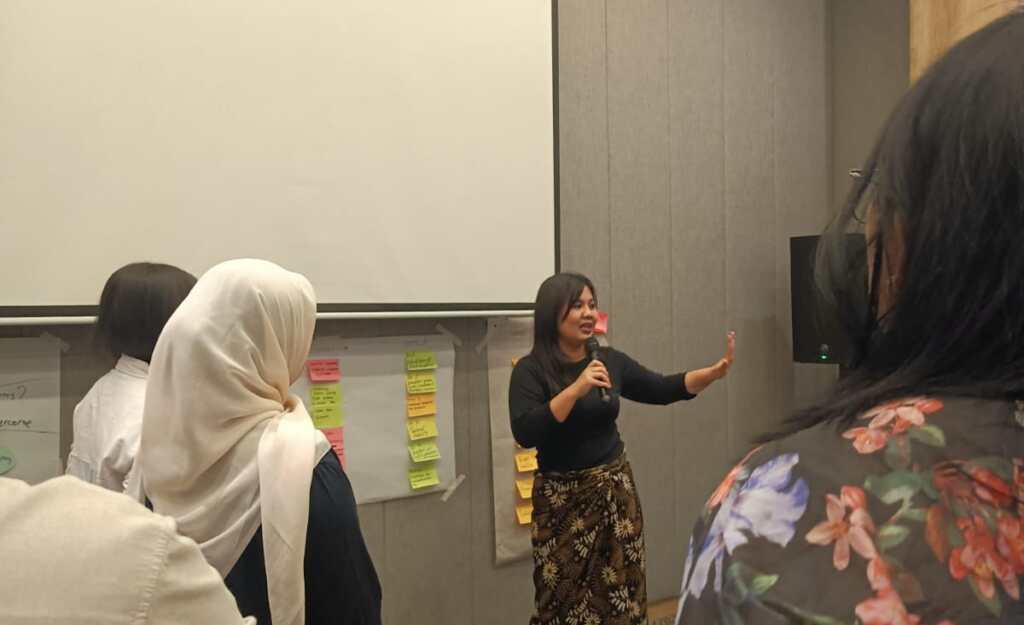
For Sylvia, a participant in CBM Global Indonesia’s QualityRights training in August 2026, learning about human rights and recovery helped connect what she already knew through her own life.
For World Mental Health Day, her experience raises a question: How can people’s lived experience shape mental health support and the decisions that affect their lives?
People who have faced mental health challenges bring knowledge about seeking care, dealing with stigma and finding support that works for them. Recognising this expertise means creating opportunities for them to influence services, lead organisations and take part in community life.
Recognising lived experience as expertise
Sylvia brought many perspectives to the training: as a person with lived experience, a caregiver, an activist and a psychologist.
Over five days, she found space to share her experiences, reflect and learn alongside others. Although she already used many of the principles in daily life, the training helped her connect them through a clearer understanding of human rights and recovery.
Afterwards, she felt more confident sharing her knowledge with colleagues and her community.
Her story shows the value of learning spaces where lived experience is recognised as a contribution. QualityRights is a World Health Organization initiative that promotes human rights and improves mental health services. It provides training and tools to help services respect people’s dignity, support their choices and provide care free from discrimination and coercion.
Supporting people to lead
In Nepal, Basu Pokharel brings his experience of psychosocial difficulties into his work as a KOSHISH community campaigner and chairperson of a local self-help group in Sundarbazar, Lamjung.
He helps people connect with services, shares information and raises community concerns. Neighbours seek his advice, showing the trust he has built as a peer leader.
But community recognition needs to be matched by opportunities to influence decisions. Formal inclusion of self-help groups in municipal mental health decision-making, sustained livelihood support and stronger recognition of peer leaders are identified as important next steps in the account shared by the Nepal team.
This connects individual leadership with collective voice: people coming together to identify shared barriers and advocate for change.
Making room for choice and belonging
In Pilar, Sorsogon, in the Philippines, brothers George and Gerald, and their family took part in a family learning programme through the Inclusive Community-Managed Mental Health Care project, implemented by Balik Kalipay Center for Psychosocial Response.
With support from trained local-government staff and barangay health workers, the family practised listening and understanding one another. Their father, Alan, learned to give his sons more space to make their own decisions.
According to the project team, George and Gerald gradually became more confident participating in community life. They joined church youth activities, workshops and camps.
These everyday opportunities created space for friendship, choice and belonging. Their experience also shows how family support can encourage independence by respecting a person’s decisions while remaining available when support is needed.
Giving participation the resources it needs
In Bangladesh, members from organisations of persons with disabilities identified practical priorities for strengthening influence: training, funding for community activities, stronger referral links and representation in local decision-making committees.
Their response highlights a wider challenge. Asking people to participate is only a starting point. They also need accessible opportunities, resources and a clear way to influence what happens next.
The Convention on the Rights of Persons with Disabilities provides the rights foundation for inclusion and participation. Together with QualityRights, it helps connect these principles to everyday mental health practice. For CBM Global, this means strengthening people’s collective voice and supporting leadership and decisions at the local level.
Turn listening into action
This World Mental Health Day, we call on governments, mental health services, funders and development partners to include people with lived experience in decisions that affect their lives—and ensure their input shapes the outcome.
Involve them from the start in designing and reviewing services. Resource their representative organisations to pursue their own priorities. Make participation accessible, and show how their input has changed decisions.
The measure of meaningful participation is what people can influence. Let’s make lived experience count in the decisions, resources and practices that shape mental health support.
Learn more about our work on Mental Health and Psychosocial Disability
https://cbm-global.org/news/lived-experience-mental-health
Related News

International Day for Disaster Risk Reduction 2026: Resilience starts at home
For International Day for Disaster Risk Reduction 2026, the...

Changing the narrative: How community support is strengthening suicide prevention in Nepal
Today, Sunita is a community volunteer in Lamjung District,...
CBM Global strengthens its commitment to climate and environmental action
Climate and environmental crises are increasing risks for communities...