
Changing the narrative: How community support is strengthening suicide prevention in Nepal
News | September 10, 2026
Today, Sunita is a community volunteer in Lamjung District, Nepal. She shares her experiences, raises awareness about mental health and encourages people facing difficulties to seek support.
Reaching this point was not easy.
After losing her father, she experienced serious mental health challenges. She became increasingly isolated, struggled with everyday activities and eventually left school. With little understanding of mental health in her community, she faced stigma and discrimination instead of support.
Although medical treatment helped, she continued to experience social and financial difficulties. A turning point came in 2024, when a female Community Health Volunteer invited her to a mental health and psychosocial well-being awareness programme organised by KOSHISH.
Through the programme, Sunita learned that mental health conditions can be treated and that recovery is possible. She joined a peer support group and later a self-help group, where she learned about her rights, available services and how to advocate for herself and others.
Her experience shows how accurate information, timely care, peer support and community acceptance can help people rebuild confidence and participate fully in their communities.

What the research tells us
New research under the KOSHISH-led Promoting Mental Health and Suicide Prevention in Nepal initiative provides a clearer picture of the challenges facing communities in Gandaki Province.
Conducted across nine municipalities, the study found that suicide is shaped by interconnected family, social, economic and mental health factors. Family conflict and domestic violence, financial pressures, stigma and limited access to mental health services were among the risks identified. Supportive relationships, open communication, hope and social connection were among the strongest protective factors.
Young people require particular attention: 57.2% of community-reported cases involved people aged 30 or younger. However, only 41% of surveyed households knew of a group or service supporting people experiencing suicidal thoughts.
The research also points to an important inequality. Dalit communities accounted for 27.7% of community-reported cases, compared with 13.4% of Nepal’s population.
These figures are not population-level prevalence estimates and require further investigation. However, they reinforce the need for suicide prevention efforts that address discrimination, poverty, livelihood insecurity and unequal access to education, employment and psychosocial support.
Connecting people with support
KOSHISH, with support from Australian Aid and CBM Global, is working with local governments to strengthen community-based suicide prevention in Gandaki Province.
During the first six months of 2026, the project trained 163 frontline workers, including teachers, health workers, police and community volunteers, to recognise warning signs, provide initial support and connect people with appropriate services. It also oriented 109 members of local suicide prevention committees and supported 24 people experiencing suicidal thoughts to access counselling.
Municipalities are strengthening crisis-response systems and exploring safer pesticide storage and use. District-level journalists’ associations have also adopted guidance for responsible reporting on suicide.
These actions show that suicide prevention cannot rest with individuals or health services alone. It requires coordinated action across families, communities, schools, services and government.
A wider lesson: from fragmented responses to coordinated action
Although this research is rooted in Gandaki Province, it points to a challenge relevant far beyond Nepal. In many communities, support remains fragmented, underfunded or available only after a crisis has escalated.
The wider priority is clear: governments and communities need coordinated, adequately financed and equity-focused suicide prevention systems. These should connect prevention, early identification, crisis response and longer-term support, while addressing the social and economic conditions that can increase distress.
In Gandaki Province, this means dedicated policies and budgets, stronger referral and crisis-response systems, trained frontline workers, accessible counselling and better data. It also means targeted support for young people and communities experiencing discrimination and exclusion. Wherever these systems are developed, people with lived experience and psychosocial disabilities must be meaningfully involved in shaping them.
For Sunita, receiving the right information and finding a supportive community helped her move from isolation to leadership. Now, she is helping create that same possibility for others.
On World Suicide Prevention Day, her journey reminds us that changing the narrative must lead to practical change: reducing stigma, making support easier to find and building systems in which everyone can participate and receive support with dignity.
Read the research: Suicide Profiling and Translation of Global Guidelines into Local Prevention Strategies
If you or someone you know is experiencing suicidal thoughts, support is available. In Nepal, contact the National Suicide Prevention Helpline at 1166. Elsewhere, find local services through Find A Helpline. If there is immediate danger, contact your local emergency services.
https://cbm-global.org/news/changing-narrative-suicide-prevention-nepal
Related News
CBM Global strengthens its commitment to climate and environmental action
Climate and environmental crises are increasing risks for communities...
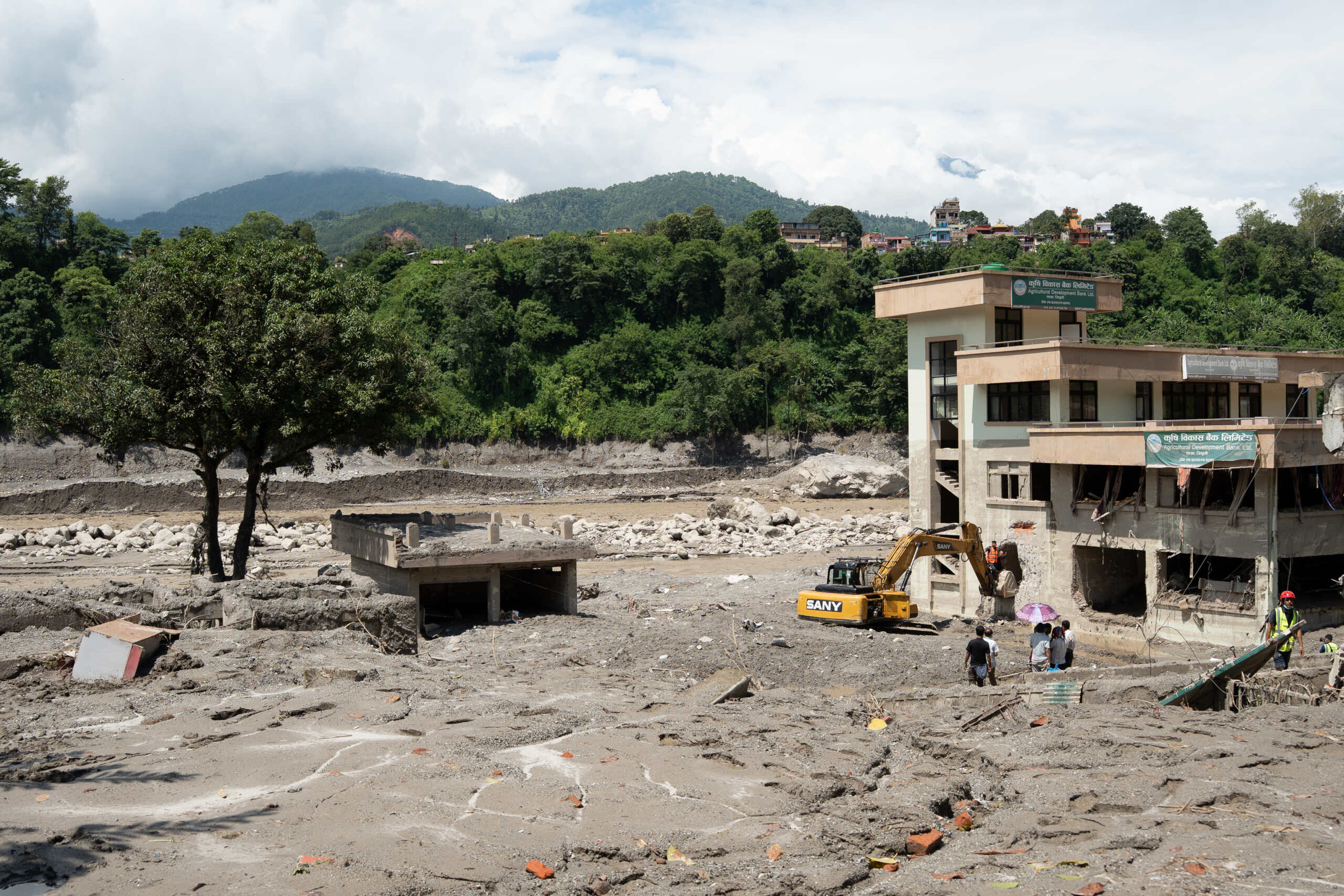
Nepal Flood Emergency Response: Ensuring People with Disabilities Are Not Left Behind
On 26 August 2026, a glacial collapse in Tibet...

Neglected no more: why NTDs must be treated as a human rights issue
A disease can be treated. But stigma, exclusion and...