
Nepal Flood Emergency Response: Ensuring People with Disabilities Are Not Left Behind
News | September 2, 2026
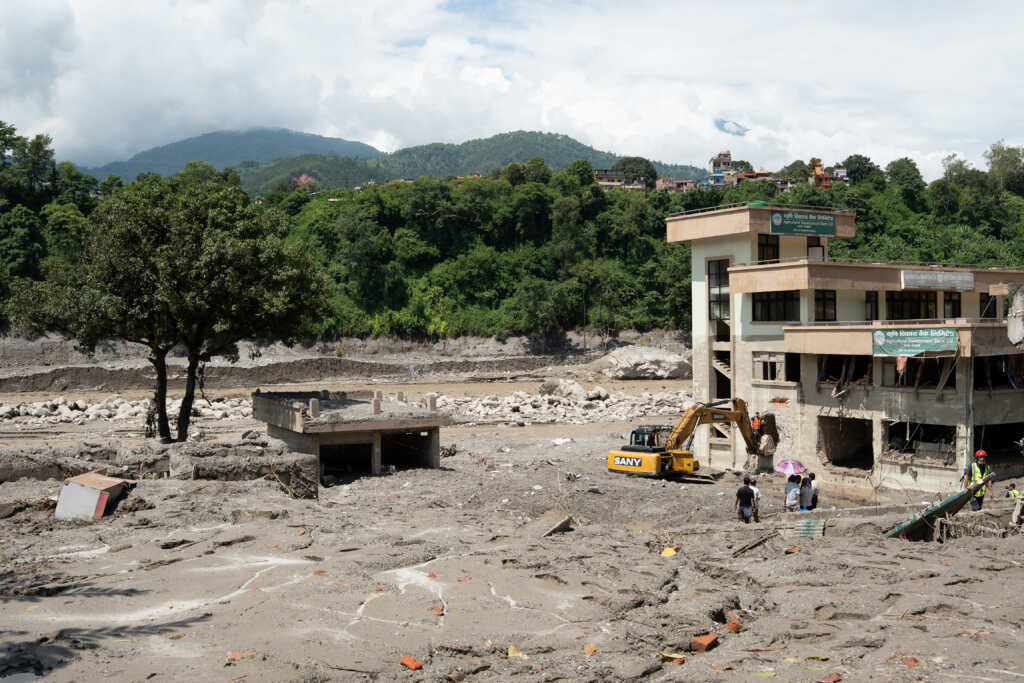
On 26 August 2026, a glacial collapse in Tibet triggered a catastrophic flash flood in Nepal’s Bhotekoshi River causing widespread devastation across the districts of Rasuwa, Nuwakot and Dhading. Entire communities were swept away, critical infrastructure was destroyed, and thousands of families lost loved ones, homes and livelihoods.
The Government of Nepal declared a Level 3 disaster and has established a three-month state of emergency in the most severely affected areas.
According to the latest disaster reports, more than 1,050 people have lost their lives, over 3,916 people remain missing, and more than 11,993 people have been rescued. Search and rescue operations continue while communities face significant challenges accessing food, shelter, healthcare and other essential services. Roads, bridges, health facilities, water systems and agricultural land have suffered extensive damage, making access to some affected areas extremely difficult.
People with disabilities are among those most at risk during humanitarian crises as barriers to information, mobility, healthcare and relief assistance can increase the likelihood of exclusion. Data on people with disabilities remains limited, creating additional risks that people with disabilities may be overlooked during relief and recovery efforts. Direct information from our partner in Nuwakot highlights the number of people with disabilities who have lost houses and have died while few people with disabilities were rescued.
How CBM Global is Responding
CBM Global Nepal has a long-standing presence in the country and is working through trusted local partners and Organisations of Persons with Disabilities (OPDs) to ensure that people with disabilities are included in humanitarian response and recovery efforts. Partners have already mobilised staff and resources to support affected communities and participate in assessments and humanitarian coordination mechanisms.
The response focuses on four priority areas:
Mental Health and Psychosocial Support and essential relief services
The scale of loss and displacement has left many people experiencing significant psychological distress and trauma. CBM Global partners are providing Psychological First Aid, counselling services and community-based psychosocial support to help individuals and families cope with the impacts of the disaster. This support will be coupled with basic needs services such as food and non food items including bedding, blankets, mattresses, buckets, water containers and other household necessities for affected families.
Assistive Devices and Rehabilitation
People injured during the floods, as well as those with people with disabilities who have lost existing assistive devices, require access to rehabilitation services and assistive devices. CBM Global partners are supporting assessments, referrals and the provision or replacement of mobility and rehabilitation equipment where needed.
Disability Inclusion and Protection
CBM Global is supporting disability-inclusive assessments, referral pathways and coordination efforts to help ensure people with disabilities can access relief services on an equal basis with others. The response also prioritises safeguarding and protection, particularly for women, girls, older people and people with disabilities.
Working Through Local Partners
CBM Global’s response is being delivered through experienced local partners, including KOSHISH, The Hospital and Rehabilitation Center for Disabled Children (HRDC), and National Federation of the Disabled-Nepal (NFDN), National Disabled Women Association (NDWA) and Blind Youth Association Nepal (BYAN). These organisations provide psychosocial support, rehabilitation services, assistive devices, disability-inclusive assessments and referrals for people affected by the floods.
As relief efforts continue, CBM Global remains committed to ensuring that people with disabilities and other marginalised groups in need are not left behind and that recovery efforts are accessible, inclusive and locally led.
“Persons with disabilities are among those at greatest risk, facing additional barriers to holding centre, food, healthcare, information and protection. We urgently call for support to ensure that the emergency response reaches persons with disabilities and their families with accessible humanitarian assistance, essential supplies, assistive devices, protection and inclusive recovery support. Your support can help ensure that persons with disabilities are not left behind in this crisis.”
— Rajan Bhattarai, Country Director, CBM Global Nepal
Support the Nepal flood response
Your support can help local partners provide accessible relief, psychosocial support, rehabilitation and assistive devices to people affected by the floods. Donations can be made through participating CBM Global Federation Members listed below:
https://cbm-global.org/news/nepal-flood-emergency-response
Related News

Changing the narrative: How community support is strengthening suicide prevention in Nepal
Today, Sunita is a community volunteer in Lamjung District,...
CBM Global strengthens its commitment to climate and environmental action
Climate and environmental crises are increasing risks for communities...

Neglected no more: why NTDs must be treated as a human rights issue
A disease can be treated. But stigma, exclusion and...