
Working with those most left behind means shifting power at every level
Blog | August 24, 2026
This article was written by David Bainbridge, Executive Director of CBM Global Disability Inclusion, as part of our UNCRPD at 20 series, reflecting on what meaningful participation requires in practice and why shifting power is essential to ensuring underrepresented groups can shape the decisions that affect their lives.
During the past year I have been challenged to think more deeply about how we ensure meaningful participation of underrepresented groups of persons with disabilities, as one of CBM Global’s strategic priorities. My biggest learning has been surprisingly simple: increased representation of underrepresented groups requires a willingness to shift power at every level.
The Convention on the Rights of Persons with Disabilities (CRPD) clearly places the meaningful participation of persons with disabilities at its core. Articles 4(3) and 33(3) require States to closely consult and actively involve persons with disabilities through their representative organisations in decision-making and monitoring processes. General Comment No. 7 further clarifies that participation must reflect the full diversity of persons with disabilities, including underrepresented groups, and that specific efforts should be made to ensure their voices, experiences and priorities are heard and acted upon.
Who is underrepresented varies by context, but may include persons who are deafblind, persons with intellectual or psychosocial disabilities, persons with albinism, and others whose voices are too often overlooked.
Power dynamics play out at all levels—between international and national organisations, between national and local organisations, within disability movements and within communities themselves.
But here is the uncomfortable part. In our work with underrepresented groups the issue has been driven home to me that power dynamics play out at all levels—between international and national organisations, between national and local organisations, within disability movements and within communities themselves. Becoming more inclusive does not automatically challenge or redistribute existing power structures.
It has led me to think differently about what we mean by power shift. There is rightly a strong focus in our sector on decolonisation and localisation: the long-standing imperative to shift decision-making, resources, leadership and accountability away from international actors and towards the local organisations and communities most affected by poverty, exclusion and crisis, so they can lead the change they want to see. That agenda is urgent. Indeed there have been many occasions in my career working for international NGOs where I have winced in embarrassment at the negative power play on display between the “donor” INGO and the “recipient” partner organisation.
But if we are honest, the story does not end there. The same dynamics can also play out between national NGOs and local community groups. They can play out within disability movements, where some organisations are more visible, better resourced or more influential than others. They can play out within communities, where some voices are heard first, and others only if intentional efforts are made to reach them.
Power shift won’t be achieved simply by moving influence from international organisations to national organisations. If existing inequalities remain untouched, power has merely changed hands. True power shift means challenging entrenched hierarchies wherever they exist and ensuring that those who are most often excluded have a meaningful voice and real influence over leadership, agenda-setting and decision-making. It also requires adapting the spaces, structures and processes where decisions are made so that people from underrepresented groups can participate fully, contribute meaningfully and exercise real power.
Ensuring that underrepresented groups are heard means challenging entrenched hierarchies wherever they exist
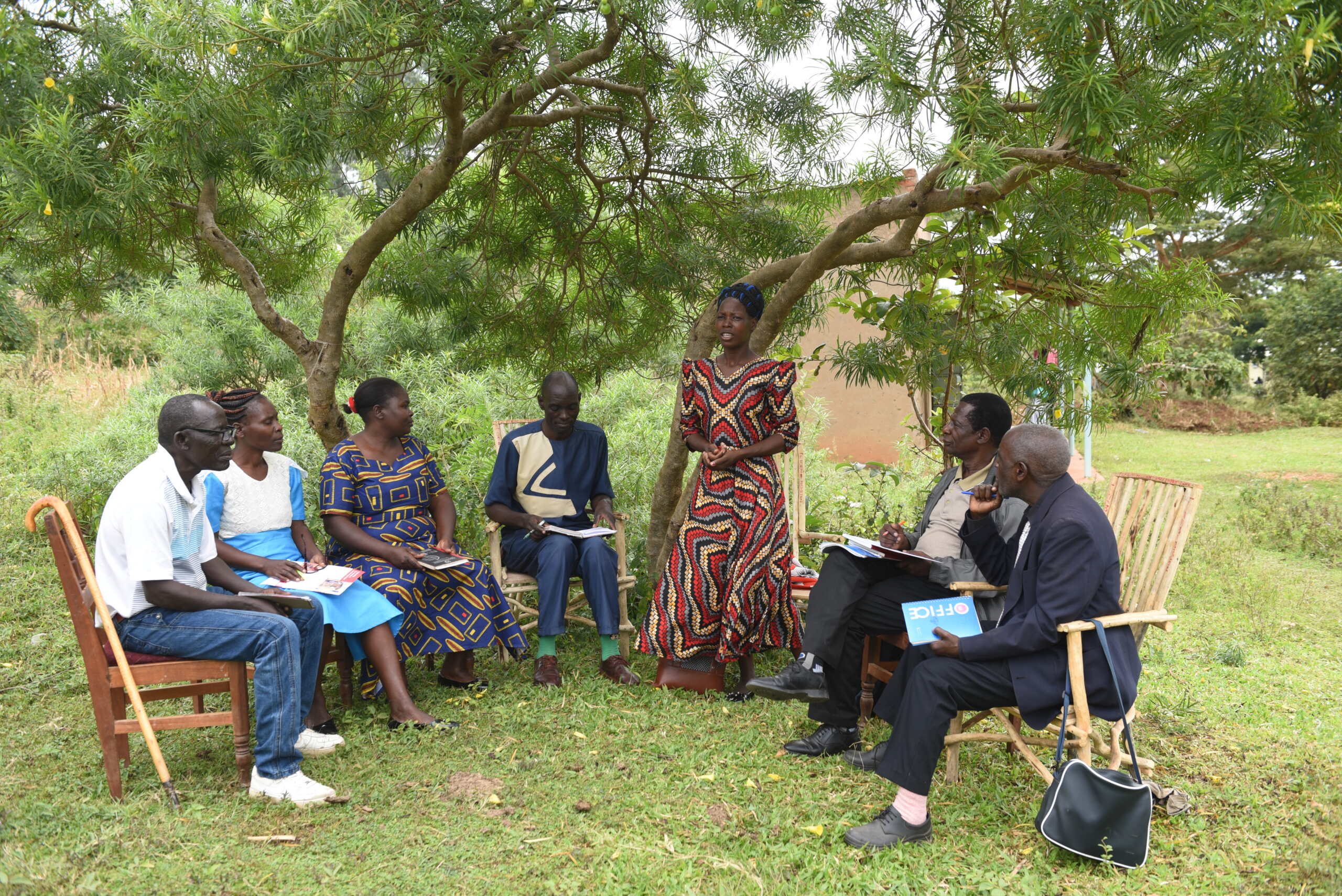
Our Rights in Action project, funded by the Ministry of Foreign Affairs of Finland, is offering important learning on how this can be achieved. The project aims to tackle the discrimination and human rights violations faced by persons with disabilities, especially those from underrepresented groups, in Nigeria and Zimbabwe. The project’s design and implementation are co-created by 14 Organisations of Persons with Disabilities (OPD) partners who shape the programme based on their own priorities and needs. Cross-learning exchanges between them are helping leaders build confidence, shift advocacy approaches, and learn directly from each other’s experience. There is still much to be done but I am encouraged by the power of solidarity, shared learning and collective action.
Working with those most left behind requires us to constantly reflect and be honest about where decision-making really sits. It asks whether those who have been most excluded are not only present but are genuinely shaping the decisions that affect their lives. If those most excluded are increasingly leading those decisions, then we are moving in the right direction.
In case you missed the earlier pieces in our UNCRPD at 20 series, you can also:
- Read Mary Keogh’s blog on why laws matter, but people make change.
- Watch the video by José Viera, Executive Director of the International Disability Alliance.
- Read the blog by Bonface Massah, Executive Director of the Africa Albinism Network, and David Bainbridge on protecting persons with albinism from violence, fear and injustice.
- Watch Aphiud Njeru, Project Manager at AIC Health Ministries, share how persons with disabilities and OPDs in Kenya are working with government and local partners to shape more inclusive eye health services — not simply as participants, but as partners in designing solutions.
https://cbm-global.org/blog/shifting-power-underrepresented-disability-groups
Related News

CRPD at 20: Protecting persons with albinism from violence, fear and injustice
This blog is co-written by Bonface Massah, Executive Director...
Reflections on the CRPD at 20: Laws Matter — But People Make Change
In this piece, Mary Keogh, CBM Global’s Advocacy Director,...
Reflecting on 2025: A Year of Shared Impact, Partnership, and Hope
Written by David Bainbridge, Executive Director of CBM Global...